

Some loads of laundry seem to fill the lint screen much faster than others. You may dry a few lightweight shirts and find only a small amount of lint, then wash a load of towels, blankets or pet bedding and discover that the lint screen is covered. That difference is not unusual. The type of fabric being dried, how often it is washed and the condition of the material can all influence how many fibers are released during a drying cycle. Understanding where that lint goes can also help homeowners understand why cleaning the lint screen is important but does not tell the complete story about the dryer vent system.
Where Dryer Lint Comes From
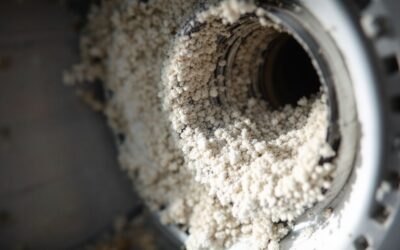
Lint is largely made up of small fibers that separate from fabrics during washing, drying and everyday use. As clothing and household fabrics tumble inside the dryer, loose fibers can be released from the material. The dryer moves warm, moisture-filled air through the drum and toward the exhaust system. The lint screen captures much of the loose material before that air enters the dryer vent. However, the screen does not capture every small fiber. Some lint can continue into the vent system along with the exhaust air.
Why Towels Often Produce More Visible Lint
Towels contain large amounts of woven fabric designed to absorb moisture. Their textured surface and repeated washing can release loose fibers during the drying process. This is one reason the lint screen may appear much fuller after a load of towels than after drying lighter clothing.
New towels can sometimes release particularly noticeable amounts of loose fibers during their early washes and drying cycles. This does not mean there is necessarily a problem with the dryer or vent. It simply means that certain fabrics can create more lint during normal use.
Blankets and Bedding Can Create Large Loads of Fibers
Blankets, sheets, comforters and other bedding can also produce substantial lint. These items are larger than ordinary clothing and contain more fabric surface area inside a single dryer load. A large load also spends significant time moving inside the drum while the dryer removes retained moisture.
The amount of visible lint can vary significantly depending on the material, age and construction of the bedding. Homeowners who regularly wash large blankets should pay particular attention to the lint screen between loads rather than assuming it can be cleaned only occasionally.
Pet Bedding Adds Another Type of Debris
Pet beds, blankets and washable covers can introduce more than fabric fibers into the dryer. Pet hair may remain attached to fabrics even after washing and can enter the dryer with the load. Some of that material may collect on the lint screen, while smaller particles can move farther into the exhaust system.
This does not mean every household with pets needs dryer vent cleaning on a fixed schedule. However, households that frequently wash pet bedding may want to pay closer attention to changes in lint accumulation and airflow.
A Full Lint Screen Does Not Mean the Vent Is Full
It is important not to jump from a full lint screen to the conclusion that the entire vent is clogged. The screen is designed to capture lint, so seeing lint there is normal. The more useful question is whether the dryer vent itself is allowing exhaust air to move properly toward the exterior of the home. If drying performance remains normal and there are no other signs of restricted airflow, a heavily loaded lint screen after towels or bedding may simply reflect the type of laundry being dried.
Why Cleaning the Lint Screen Still Matters
Even though a full lint screen is not the same as a clogged vent, cleaning the screen regularly remains important. When lint covers the screen, air has less open area through which to move. Removing the material allows the dryer to continue directing exhaust toward the vent system as designed. For loads that generate large amounts of lint, checking the screen between cycles or between separate loads is a simple household maintenance habit.
Some Lint Can Travel Beyond the Screen
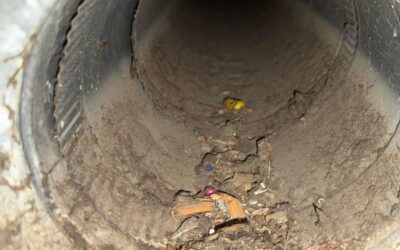
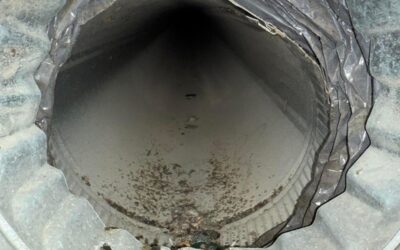
The lint screen captures a significant amount of material, but fine fibers can still enter the exhaust system. Once lint moves beyond the appliance, the design of the dryer vent becomes important. A short vent leading directly through an exterior wall is very different from a longer exhaust route that travels through ceilings or walls.
If you want to understand why the physical layout matters, our guide on how dryer vent length and bends affect lint buildup explains how the route itself can influence where material collects.
Large Laundry Loads Can Make It Harder to Judge the Dryer
A heavy load of towels or thick bedding naturally behaves differently from a small load of lightweight clothing. Large items can retain more moisture, so they may require different drying settings or additional time depending on the appliance and fabric. For this reason, homeowners should not diagnose a vent problem based on one heavy load alone.
It is more useful to look for a change from the dryer’s normal performance over multiple comparable loads. If towels that previously dried normally begin taking much longer under the same conditions, then the dryer and vent system may deserve closer inspection.
What Should You Watch For?
Rather than focusing only on how much lint appears on the screen, homeowners can look at the entire drying process.
- Is drying time changing compared with similar loads in the past?
- Is visible lint collecting around accessible areas behind the dryer?
- Does the transition duct behind the appliance appear crushed or sharply bent?
- If the exterior termination is safely visible, does the outlet appear to allow exhaust air to leave?
- Is the maintenance history of the dryer vent unknown?
One observation by itself does not necessarily mean professional cleaning is required. Several changes together can provide a better reason to inspect the system.
Different Households Use Their Dryers Differently
There is no single laundry routine that applies to every household. A home where the dryer is used occasionally for lightweight clothing is different from a household that regularly dries towels, bedding, children’s clothing and pet blankets.
The amount and type of laundry can therefore be useful context when evaluating a dryer vent. This is also one reason fixed cleaning schedules are not the only factor homeowners should consider. The condition of the vent, the way the dryer is used and the layout of the exhaust system all matter.
When Professional Dryer Vent Cleaning May Be Appropriate
If lint or debris has accumulated inside accessible sections of the exhaust system, the vent’s maintenance history is unknown or airflow appears to have changed, professional inspection and cleaning may be appropriate.
Eco Green Pro LLC provides dryer vent cleaning throughout Maryland, Northern Virginia and Washington, DC.
Professional cleaning addresses accessible portions of the vent beyond the areas homeowners can normally reach with routine household cleaning. It is important to distinguish this service from dryer vent installation or structural modification. Eco Green Pro LLC provides dryer vent cleaning, not dryer vent installation.
Searching for Dryer Vent Cleaning Near Me?
If you regularly dry towels, blankets or pet bedding and begin noticing changes in airflow or dryer performance, searching for dryer vent cleaning near me may help you find a local professional who can evaluate the exhaust system.
The key is not simply how much lint appears after one load. A professional should consider the condition of the accessible vent, the layout of the system and any changes you have noticed over time.
The Bottom Line
Towels, blankets, bedding and pet fabrics can create noticeably more lint than many ordinary clothing loads. A full lint screen after these loads is not automatically evidence of a clogged dryer vent. However, some fine fibers can travel beyond the screen, which is why the condition of the complete exhaust path still matters.
Clean the lint screen regularly, pay attention to changes in drying performance and consider professional inspection when the vent’s condition or maintenance history is uncertain.
Eco Green Pro LLC provides professional dryer vent cleaning across the DMV area. Call (301) 742-3959 for a free quote, or choose a convenient appointment online.