

Discovering mice, insects or other pests inside a home is unpleasant enough. But even after the pest problem has been addressed, homeowners may overlook one area that deserves attention: the HVAC duct system.
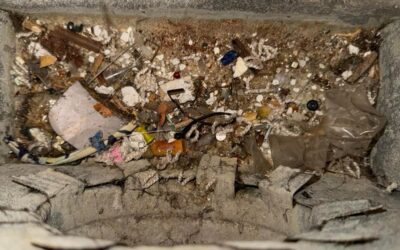
Ductwork travels through walls, ceilings, basements, attics and other areas where pests may sometimes gain access. If rodents or other animals have entered the system, simply removing the pest may not address debris left behind.
In these situations, an inspection of the ductwork can help determine whether professional air duct cleaning is necessary.
How Can Pests Get Into Air Ducts?
HVAC duct systems are designed to be enclosed, but homes change over time.
Loose connections, damaged ductwork, gaps around access points or openings in attics and crawl spaces can potentially provide access for small animals.
Rodents may also enter areas around ductwork without necessarily living inside the ducts themselves.
That is why the first step should always be identifying and correcting the source of the pest problem.
Cleaning the ducts without preventing future access only addresses part of the issue.
What Can Be Left Behind?
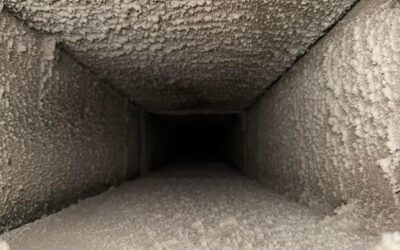
If pests have entered part of the HVAC system, they may leave behind material such as:
- Nesting debris
- Hair or fur
- Food material
- Droppings
- Dust and dirt
- Other organic debris
Homeowners should avoid reaching deep inside contaminated ductwork themselves.
If animal waste or significant contamination is suspected, the safest approach is to have the affected area evaluated by qualified professionals.
Pest Control Comes First
Air duct cleaning is not pest control.
If you currently have mice, insects or other animals in the home, the infestation should be addressed before cleaning the duct system.
A pest control professional can identify entry points, remove active pests and recommend ways to prevent them from returning.
Once the source has been corrected, the HVAC system can be inspected to determine whether debris remains inside accessible areas.
Cleaning before the pest problem has been resolved could mean repeating the work later.
Why Inspect the Return Side of the System?
Return ducts pull air from rooms back toward the HVAC equipment.
Because of their location and airflow direction, return areas can sometimes collect more household debris than homeowners expect.
If a return grille is located near an area where pest activity occurred, technicians may pay particular attention to the condition of that section of the system.
Supply ducts should also be inspected where there is evidence that pests gained access.
The objective is not to assume that the entire system is contaminated but to determine what actually happened.
Strange Odors Can Have Many Causes
One reason homeowners begin investigating their duct system is an unusual odor when the HVAC system starts.
Pests are only one possible cause.
Odors can also come from moisture, HVAC components, accumulated debris or sources completely unrelated to the ductwork.
For that reason, it is important to identify the source rather than immediately assuming that duct cleaning will solve the problem.
If pest activity has recently occurred, however, checking the ducts is a reasonable part of the investigation.
What Happens During Professional Air Duct Cleaning?
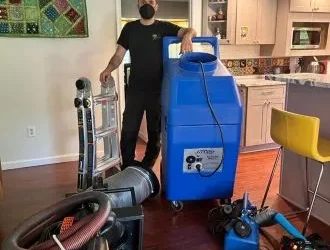
If inspection shows that cleaning is appropriate, professional equipment can be used to remove accumulated material from accessible sections of the duct system.
Technicians may use controlled vacuum equipment along with tools designed to loosen and collect debris.
The exact process depends on the design of the HVAC system and the location of the affected areas.
Professional cleaning is different from inserting a household vacuum into a register. Residential duct networks can extend a considerable distance through the home, and much of the system cannot be reached from the visible vent opening.
Preventing the Problem From Returning
Once pests have been removed and the affected areas cleaned, prevention becomes important.
Homeowners should address damaged exterior openings, loose vent covers, gaps around utility penetrations and other potential entry points identified by pest-control or home-maintenance professionals.
The HVAC system should also be kept in good condition.
Damaged or disconnected ducts should be repaired rather than relying on cleaning alone.
Do You Need to Clean the Entire System?
Not every pest sighting means the complete HVAC system requires professional cleaning.
A mouse in the attic does not automatically mean every supply duct is contaminated.
This is why inspection matters.
The condition of the system should determine the scope of work.
A reputable professional should be able to explain what was found, which areas require attention and whether additional cleaning is warranted.
Professional Air Duct Cleaning After Pest Problems
Once an active pest problem has been resolved, inspecting the ductwork can provide valuable information about what may have been left behind.
Eco Green Pro provides professional air duct cleaning services in Maryland, Northern Virginia and Washington, DC, using professional equipment to clean accessible areas of residential duct systems.
If you recently dealt with rodents or other pests and are concerned about debris inside your HVAC system, contact Eco Green Pro to discuss an inspection and determine the appropriate next step.
12