
Fresh laundry without the wait
A local guide to timing, safety, and smart maintenance
Searching for how often dryer vent cleaning Rockville usually means you are dealing with slow cycles, hot laundry rooms, or you simply want to prevent a dryer fire. In Rockville the right schedule depends on how much laundry you do, the length and shape of the vent route, and the condition of the exterior vent hood. This guide gives you a clear timetable, the signs to look for, and a simple plan to keep your dryer fast, efficient, and safe.
Annual vs semiannual cleaning
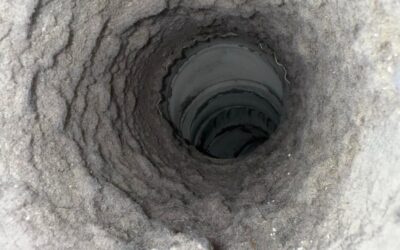
Annual cleaning works well for many single family homes in Rockville that run a few loads each week and have a short, straight vent line to an exterior wall. Once every twelve months keeps lint from building into a felt like layer, restores free airflow, and supports normal energy use.
Semiannual cleaning is the better choice for large households, townhomes and condos with long vent runs, or homes with pets that shed. If the vent climbs to a roof exit, or snakes through multiple turns before reaching the outside, lint collects faster. Cleaning every six months prevents slow drying, reduces heat stress on the appliance, and lowers the risk of a lint fueled fire.
Move in or post renovation cleaning is smart even if the line was serviced recently. New to you homes may hide legacy lint. Renovation dust and debris can settle in the vent and restrict the line, especially if the laundry room was active during construction.
Warning signs your vent needs attention now
You do not need to wait for the calendar if your dryer is sending signals. Watch for these common clues:
- Drying takes longer than a normal cycle. When airflow is restricted, moisture stays in the drum and the timer keeps running.
- Clothes feel unusually hot at the end of a load. Trapped heat is a classic sign of a blocked vent.
- The top or sides of the dryer are hot. The machine is working too hard to push air through the line.
- A hot or slightly burnt odor in the laundry area. Lint near the heater housing can overheat.
- Weak airflow at the exterior vent hood. Step outside while the dryer runs. The flap should open fully with a steady push of warm air.
- Lint collecting around the exterior cover. Visible lint outside means more is trapped inside.
- The machine shuts off with an airflow error. Many modern dryers monitor temperatures and will stop to protect the unit.
If you notice any of these, schedule cleaning as soon as possible. Waiting risks damage to the dryer and increases the chance of a vent related fire.
Roof exits and long runs
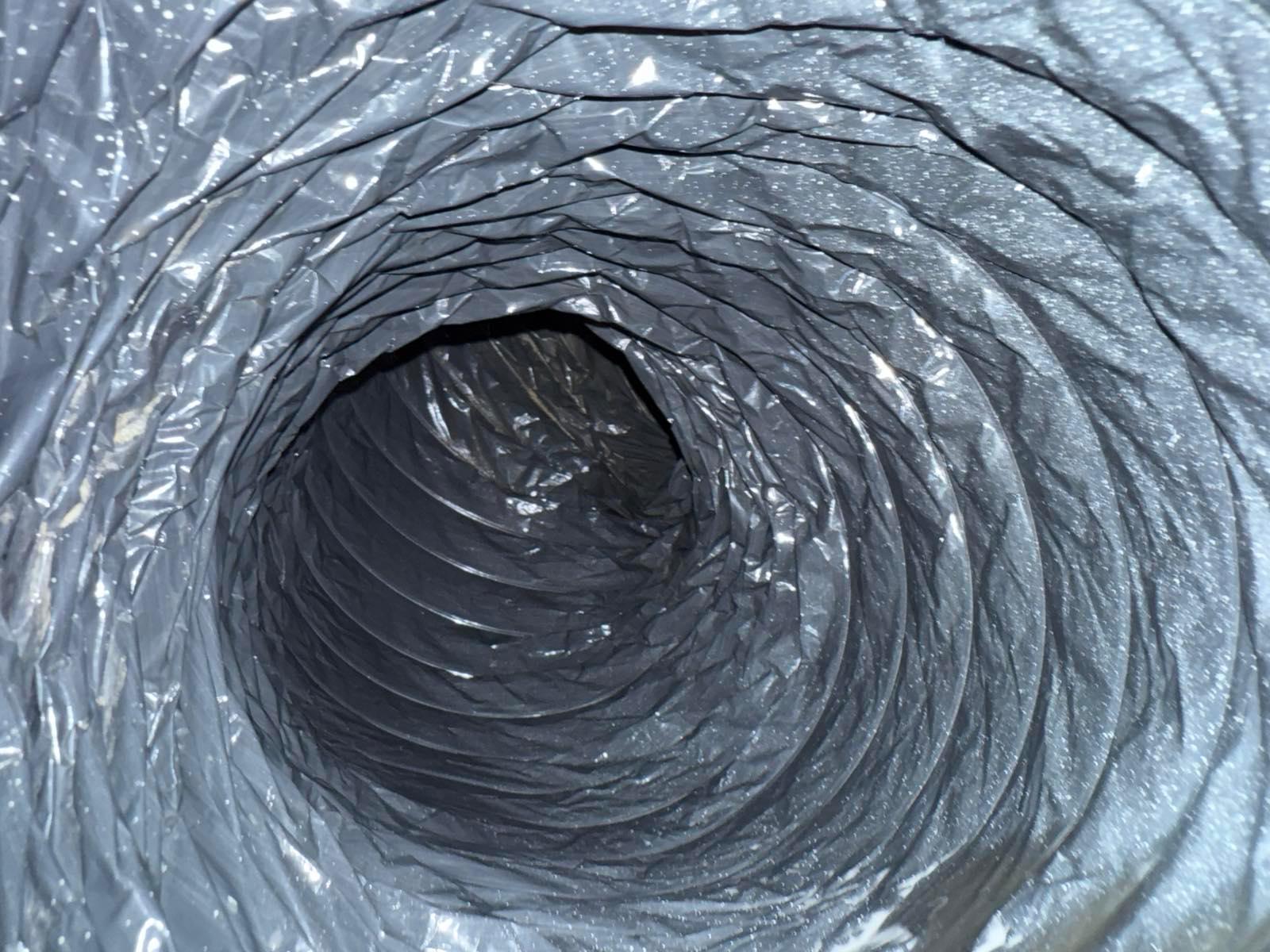
Rockville includes many homes with challenging dryer routes. Townhomes and condos often send the vent through ceilings and interior walls before reaching the outside. Some lines exit at the roof. These layouts add length and turns, and every turn slows the airstream and gives lint a place to settle.
What this means for timing
- Short and straight to a side wall: annual cleaning is usually enough.
- Long interior route with multiple bends: plan for semiannual service.
- Roof exit or shared building stack: semiannual is strongly recommended, with an airflow check a few months after each visit.
- Historic or older homes with older flex connectors: upgrade to a smooth metal connector and choose semiannual until performance stabilizes.
A professional technician should also inspect the exterior hood. If the flap sticks or a plastic cage traps lint, the dryer will struggle even after the line is cleaned. A low resistance hood that opens fully is a small upgrade with a big effect on cycle time.
DIY vs professional cleaning
DIY can help with maintenance between visits, but it is not a complete substitute for a full service.
What you can do safely
- Empty the lint screen before every load.
- Vacuum the lint screen housing once a month with a narrow attachment.
- Inspect the area behind the dryer and keep the connector from crushing.
- Step outside while the dryer runs and confirm that warm air is blowing freely.
Where a professional shines
- Reaching the full length of the line with flexible brush rods and the correct agitation.
- Measuring airflow before and after so you see the improvement.
- Cleaning roof exits, long interior routes, and navigating turns without tearing the duct.
- Replacing unsafe or crushed connectors and installing a better exterior hood.
- Documenting findings for condo and townhome associations that request proof of service.
For short, simple lines, a careful homeowner can improve conditions with a store kit. For long or roof bound routes, professional tools and training are the safest choice. Many Rockville homeowners combine both approaches, using DIY steps monthly and booking a professional cleaning on the annual or semiannual schedule.
Safety checklist for Rockville homeowners
Use this checklist to keep your system safe and efficient all year.
- Lint screen
Clean before every load. If you use dryer sheets, wash the screen gently with warm water and a soft brush every few months to remove residue. - Connector behind the dryer
Use a rigid or semi rigid metal connector, not thin foil and never plastic. Keep a few inches of clearance so it does not crush when the dryer is pushed back. - Vent path
Keep the route as short and straight as possible. Avoid unnecessary bends. If you must move the laundry area, plan the vent with a pro to preserve strong airflow. - Exterior hood
Choose a model that opens widely and closes securely. Avoid screens that trap lint. Step outside once a month and confirm that the flap opens during a cycle. - Laundry room space
Keep the area around the dryer clear. Do not store cardboard, chemicals, or soft plastics next to the machine. Good housekeeping reduces fire load. - Load size and cycle choice
Do not overfill the drum. Large, tightly packed loads create more lint and slow tumbling. Use sensor dry when available to avoid overheating fabrics. - Annual or semiannual service
Put your chosen schedule on the calendar. Mark a reminder four weeks earlier so you can book a convenient time. - After renovation check
Any project that produces dust or fibers calls for a vent inspection. Drywall and sawdust collect quickly and are highly combustible. - Appliance condition
If the dryer squeals, thumps, or smells hot even with a clean vent, schedule an appliance check. Belts and bearings need attention just like the vent line. - Education for the household
Make sure everyone knows to clean the lint screen and to never run the dryer when asleep or away from home.
The bottom line for Rockville
For many homes in the city a once yearly dryer vent cleaning keeps laundry moving and risk low. If your household is large, if pets shed, or if the vent travels a long or vertical route to a roof exit, shift to a twice yearly plan. Pay attention to warning signs between visits and take simple DIY steps to preserve airflow. The reward is faster drying, lower energy use, a longer life for your appliance, and most important, a safer home.
When you next search how often Dryer Vent Cleaning Rockville MD, you will know exactly what to do. Choose the schedule that fits your family and your layout, confirm that the exterior hood opens freely, and keep that safety checklist handy. With a clear plan your dryer will run the way it should and laundry day will feel easy again.