
Larger homes often need more control over heating and cooling than a single thermostat can provide. Some properties use multiple thermostats, separate HVAC systems or zoning controls to manage different floors or sections of the home.
For McLean homeowners, this can make the air distribution system more complicated than it first appears. When professional air duct cleaning is being considered, it helps to understand whether the property has one simple duct network or several zones serving different areas.
What Is an HVAC Zone?
An HVAC zone is an area of a home that can be controlled separately from another area. Depending on the system, zoning may involve multiple thermostats, dampers or completely separate HVAC units.
A homeowner may therefore have one temperature setting downstairs and another upstairs. The exact configuration varies from property to property, which is why technicians should understand the system before cleaning begins.
Multiple Thermostats Do Not Always Mean Multiple HVAC Systems
This distinction is important. Some homes have several thermostats connected to a single zoned HVAC system. Others have completely separate heating and cooling units, each serving its own network of ducts.
Homeowners do not need to diagnose the system themselves, but they should mention multiple thermostats or HVAC units when requesting a quote. That information helps define the likely scope of the service.
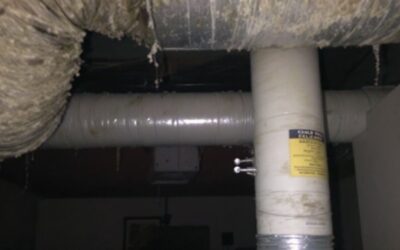
One Home Can Have Several Different Duct Layouts
In a large McLean property, one section of the home may contain shorter duct runs while another section may be farther from the HVAC equipment.
An addition or finished lower level may also have been connected to the system later.
As a result, the condition and accessibility of ductwork can vary within the same property.
Professional cleaning should consider these differences rather than assuming every register is connected in exactly the same way.
Do Temperature Differences Mean the Ducts Are Dirty?
Not necessarily.
Zoned systems are specifically designed to allow different areas of the house to operate differently.
If one area feels warmer or cooler, that may simply reflect thermostat settings or how the zoning system is configured.
Duct cleaning should not be used as a generic solution for every room-to-room temperature difference.
Mechanical zoning issues, damper problems or HVAC balancing concerns require appropriate HVAC evaluation.
Look for Actual Evidence Inside Accessible Ductwork
The decision to clean should still be based primarily on the condition of the duct system.
A dusty register is not enough by itself.
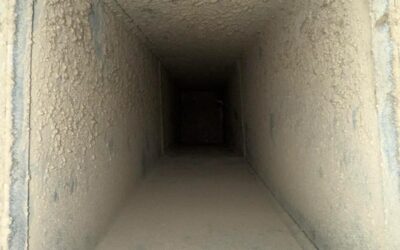
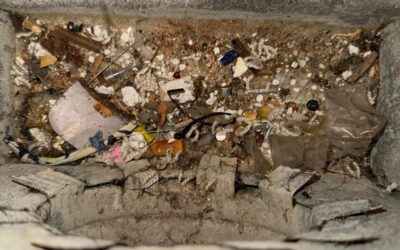
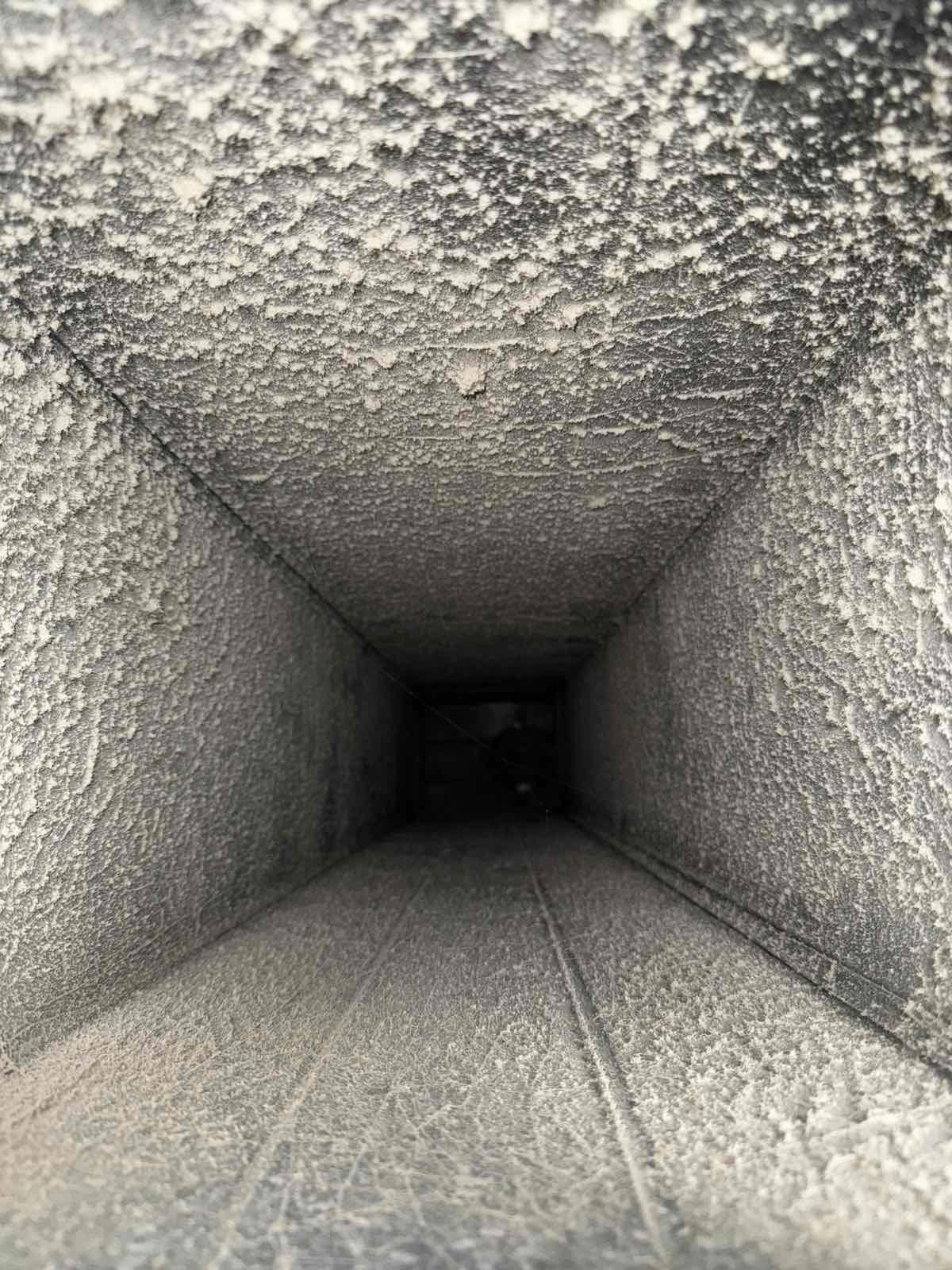
It is more useful to check whether significant debris is visible inside multiple accessible supply or return ducts.
Recent renovation work, an unknown maintenance history or a previous pest issue can also provide relevant context.
Return Ducts Can Serve Large Areas of the Home
Large properties may have several return grilles located in different zones.
These grilles can collect visible dust and pet hair because household air is moving toward them.
Visible surface material can usually be vacuumed as part of normal household cleaning.
Professional duct cleaning becomes a different question when meaningful debris is present deeper inside accessible return ductwork.
Why It Helps to Know How Many Systems You Have
If a home contains two or three separate HVAC systems, cleaning one system does not necessarily mean every duct in the house has been serviced.
This is particularly important when homeowners compare quotes.
Ask whether the quoted service is for one HVAC system or for the complete property.
Clear communication at the beginning can prevent confusion when the technician arrives.
Additions Can Create New Zones Over Time
Homes often evolve.
A new bedroom wing, finished basement, home office or expanded living area may lead to changes in the HVAC system.
New zones or additional equipment may be installed to serve those areas.
This means the current duct layout may differ considerably from the system that existed when the property was originally built.
When scheduling service, tell the technician about major additions or HVAC changes if you know when they occurred.
Air Duct Cleaning Is Not Zoning Repair
Professional air duct cleaning has a specific purpose: removing accumulated debris from accessible ductwork when cleaning is appropriate.
It does not repair thermostats, dampers, zoning controls or mechanical HVAC equipment.
If a zone is not operating correctly, the problem may require an HVAC technician rather than duct cleaning.
Separating these services helps homeowners avoid expecting cleaning to solve a mechanical problem.
Professional Air Duct Cleaning in McLean
Eco Green Pro LLC provides air duct cleaning in McLean, VA for residential properties ranging from smaller systems to larger multi-level homes.
Before work begins, understanding the number of HVAC systems, thermostats and accessible duct networks helps establish the correct scope of service.
What Should You Tell the Company When Booking?
A few details can make scheduling easier.
- How many HVAC units are in the home?
- Are there multiple thermostats?
- Has the property been expanded or remodeled?
- Are there particular areas where visible debris has been noticed?
- Is the previous duct-maintenance history known?
You do not need to know the technical design of the system. These basic details simply help the company understand the property before arriving.
Do Not Treat Every Zone as a Separate Problem
If one area of the home has more visible dust than another, consider the environment around that zone.
Carpeting, pets, room usage, furniture and return-grille location can all affect how quickly dust becomes visible.
A professional should look at the system as a whole rather than assuming every visual difference comes from contaminated ductwork.
The Bottom Line
Multiple thermostats and HVAC zones can make a home’s air distribution system more complex, but complexity does not automatically mean the ducts need cleaning.
The important factors are the actual condition of accessible ductwork, the number of systems being serviced and the history of the property.
For McLean homeowners, understanding these details before the appointment can make the cleaning process clearer and help ensure the correct areas are included.