
Many homeowners assume that a fireplace used only a few times each winter does not require much attention. If there are only occasional fires, it may seem reasonable to think that very little can accumulate inside the chimney.
Fireplace use is certainly one factor when evaluating a chimney, but it is not the only one.
A chimney remains part of the home throughout the entire year. Even during months when no fire is burning, the flue and fireplace can still be exposed to outdoor debris, old soot, moisture, animal activity and material left from previous seasons.
This does not mean that every rarely used fireplace automatically needs cleaning. It does mean that frequency of use should not be the only question homeowners ask when deciding whether the chimney should be inspected.
Old Soot Does Not Disappear Between Fireplace Seasons
When wood burns, combustion residue can remain on surfaces inside the fireplace and chimney. If the fireplace was used during previous winters, some soot or other deposits may remain even after months without another fire. Simply leaving the fireplace unused during spring or summer does not remove that material. This is why the current year’s fireplace use may not tell the complete story. The condition of the chimney can reflect several seasons of use rather than only the most recent fire.
Occasional Fireplace Use Can Still Leave Buildup
A homeowner may use the fireplace only during holidays, unusually cold evenings or a few weekends each winter. That is very different from daily fireplace use, but residue can still accumulate over time. The amount depends on many factors, including the type of fuel burned, how the fireplace is operated and the history of the chimney. Rather than relying on a fixed schedule or counting the number of fires, inspection provides a better way to understand the actual condition of the accessible chimney.
A Chimney Is Open to More Than Fireplace Smoke
The inside of a chimney can be affected by conditions that have nothing to do with how often the homeowner lights a fire. Leaves, small twigs or other outdoor debris may find their way into accessible areas depending on the chimney design and condition. Birds or other animals may also investigate chimney openings during periods when the fireplace is not being used. If debris is present, the chimney should be evaluated before regular fireplace use resumes.
Long Periods Without Use Can Make the Chimney Easy to Forget
A fireplace that is used frequently tends to stay on the homeowner’s maintenance list. A fireplace that is used only occasionally is easier to forget. Several seasons may pass without anyone looking closely at the firebox, damper or accessible chimney areas. For that reason, homeowners who rarely use their fireplace may know less about its recent condition than someone who uses and inspects it regularly.
Look at the Fireplace Before the First Fire of the Season
Before using a fireplace that has been inactive for a long period, take a few minutes to look at the visible areas. Check the firebox for loose debris and look at accessible surfaces for noticeable soot buildup. If the damper can be safely viewed and operated, make sure it appears to move normally. Homeowners should not attempt to climb onto the roof or reach areas of the chimney that are difficult or unsafe to access. When the condition of the chimney is uncertain, professional evaluation is the more practical option.
What Does Professional Chimney Cleaning Address?
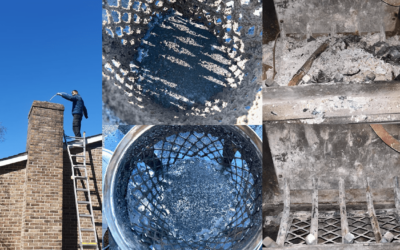
Professional chimney cleaning focuses on removing soot, debris and other accumulated material from accessible areas of the chimney system.
The service also provides an opportunity to look at visible areas of the chimney and fireplace while the system is being cleaned. Eco Green Pro LLC provides professional chimney sweep and cleaning services throughout Maryland, Northern Virginia and Washington, DC. The goal is not to recommend cleaning simply because a fireplace exists. The condition of the chimney and its maintenance history should guide the decision.
Rare Use Does Not Always Mean a Known History
This is particularly important when homeowners have recently purchased a property. You may know that you have used the fireplace only twice since moving in, but you may not know how frequently the previous owner used it or when the chimney was last cleaned. In that situation, your own fireplace habits provide only a small part of the maintenance history. An inspection can establish a better starting point for future maintenance.
What If the Fireplace Has Not Been Used for Years?
A fireplace that has been inactive for several years deserves a different type of attention from one that was used last winter. The important question is not simply whether soot accumulated recently.
Homeowners should consider whether anyone has checked the accessible chimney during that period