
Most homeowners see the dryer itself several times a week, but the exterior end of the dryer vent often receives very little attention.
That outside termination is where warm, moisture-filled exhaust air leaves the home after traveling through the dryer vent system. Although you cannot determine the complete condition of the vent simply by looking at the outside opening, it can provide useful clues about airflow and whether the system deserves closer inspection.
For homeowners searching for dryer vent cleaning near me, checking the exterior termination can be a useful first step before scheduling professional service.
What Is the Exterior Dryer Vent?
The dryer vent begins at the appliance and continues until the exhaust reaches the exterior of the building.
In some homes, the laundry room is close to an exterior wall and the vent route is relatively short. In other properties, the exhaust line may travel through walls, ceilings or concealed areas before reaching the outside.
The exterior termination usually includes a flap, cover or similar component that allows exhaust air to leave the vent while helping limit outside debris from entering the line.
Because most of the vent is hidden, the exterior opening is one of the few parts homeowners may be able to observe without disconnecting anything.
Watch the Exterior Flap While the Dryer Is Running
If the exterior termination is safely visible from the ground, observe it while the dryer is operating.
Many vent covers have a flap that opens as exhaust air moves through the line. If the flap appears to open normally, that suggests air is reaching the exterior termination.
If it barely moves or remains closed while the dryer is running, there may be a reason to investigate further.
This does not automatically mean lint buildup is the cause. A damaged vent cover, a problem with the dryer, a crushed connection behind the appliance or another issue can also affect airflow.
When airflow appears different from normal, a dryer vent cleaning service can evaluate accessible sections of the exhaust path and determine whether accumulated lint or debris is present.
Visible Lint Around the Exterior Opening
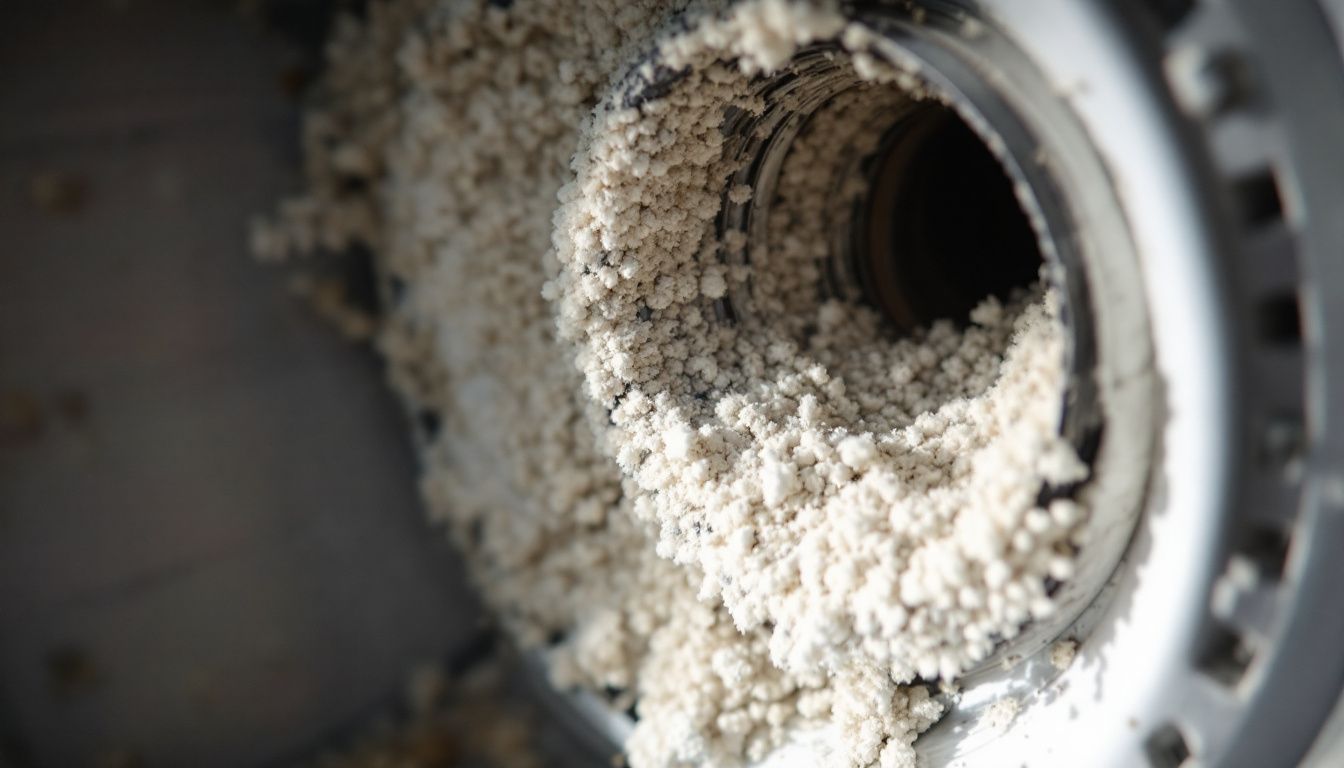
Some lint can travel all the way through the vent and reach the exterior termination.
A small amount of visible material around the opening does not automatically mean the entire line is heavily restricted. However, repeated lint buildup around the termination can be a useful reason to look more closely at the vent system.
The important point is to look for patterns rather than reacting to one small amount of surface lint. If visible lint around the exterior outlet is combined with changes in dryer performance or weak airflow, professional inspection may be worthwhile.
Outdoor Observation Does Not Show the Entire Vent
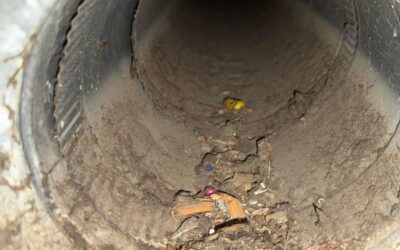
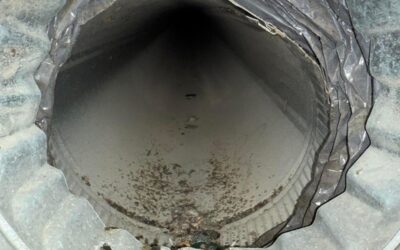
One of the biggest mistakes homeowners can make is assuming that a clear-looking exterior opening means the entire vent is clean. A dryer vent may travel a significant distance before it reaches the outside of the home. Lint can remain farther inside the line even when the exterior termination appears relatively normal. For this reason, the outside vent should be considered one source of information rather than a complete inspection of the exhaust system.
Changes in Airflow Can Be More Important Than One Inspection
Homeowners often become familiar with how their appliances normally operate. You may know approximately how long common loads take to dry or how strongly air normally exits the outside vent.
Changes from that normal pattern can be useful. If airflow from the exterior termination becomes noticeably weaker than it was previously, the vent may deserve closer attention.
Again, a change does not automatically prove that lint is responsible. The objective is to identify when the system may need professional evaluation instead of assuming the cause.
Check the Area Behind the Dryer Too
The outside termination is only one end of the system. The visible connection behind the dryer should also be checked when safely accessible. A transition duct that has been crushed against the wall, sharply bent or moved out of position can affect airflow before exhaust even reaches the longer vent line. If a dryer has recently been moved or replaced, it is particularly useful to check this area.
Homeowners can learn more about Eco Green Pro LLC and the areas we serve by visiting the Eco Green Pro.
Do Not Attempt Unsafe Exterior Access
Some dryer vent terminations are located high on exterior walls or in other areas that cannot be safely inspected from the ground. Homeowners should not climb onto roofs or use unsafe ladders simply to check a vent outlet. If the exterior termination cannot be reached safely, leave that portion of the inspection to a professional. The purpose of a basic homeowner check is to notice accessible warning signs, not to reach every part of the system.
Cleaning the Exterior Cover Is Not the Same as Cleaning the Vent
Removing visible lint from around an accessible exterior cover may improve the appearance of the termination, but it does not clean the hidden exhaust line. The vent itself may continue for many feet inside the building. Professional equipment is designed to address accessible lint and debris farther inside the exhaust system rather than cleaning only what can be seen from outside.
Why the Layout of the Vent Matters
Every dryer vent system is different. A short, direct exhaust path is not the same as a vent that travels through several areas of a home before reaching the exterior.
The location of the laundry room, the length of the vent and the overall route can all influence how the system should be evaluated and cleaned. This is one reason homeowners searching for dryer vent cleaning near me should choose a company that considers the actual layout of the vent rather than treating every property exactly the same.
When Should You Consider Professional Dryer Vent Cleaning?
Professional cleaning may be worth considering when airflow appears noticeably weaker, visible lint is accumulating in accessible areas, the maintenance history of the vent is unknown or the dryer vent has not been inspected for a long time.
A change in drying performance can also justify looking at the vent, although dryer problems may have other mechanical causes. The best approach is to consider several pieces of information together rather than relying on a single symptom.
The Bottom Line
The exterior dryer vent can provide useful clues about what is happening inside the exhaust system. A flap that does not appear to open normally, repeated lint buildup around the outlet or a noticeable change in airflow can all be reasons to inspect the system more closely. At the same time, an exterior vent that looks clean does not guarantee that the hidden line is free of lint. The complete exhaust path should be considered when deciding whether professional dryer vent cleaning is appropriate.