

A gentle home for sensitive lungs
Practical steps Rockville families can use to keep air calm and clean
Clean indoor air is not a luxury for high sensitivity households. It is a daily essential that shapes sleep, comfort, and energy. Babies breathe faster than adults and have developing airways that react quickly to irritants. Older adults may have reduced lung elasticity or chronic conditions that make particles and odors more noticeable. Add Rockville’s humid summers, spring pollen bursts, and sealed winter homes, and it becomes clear why thoughtful indoor air care matters. The good news is that you can make meaningful improvements with steady habits and a smart plan tailored to indoor air quality Rockville families need most.
Vent cleaning plus filtration
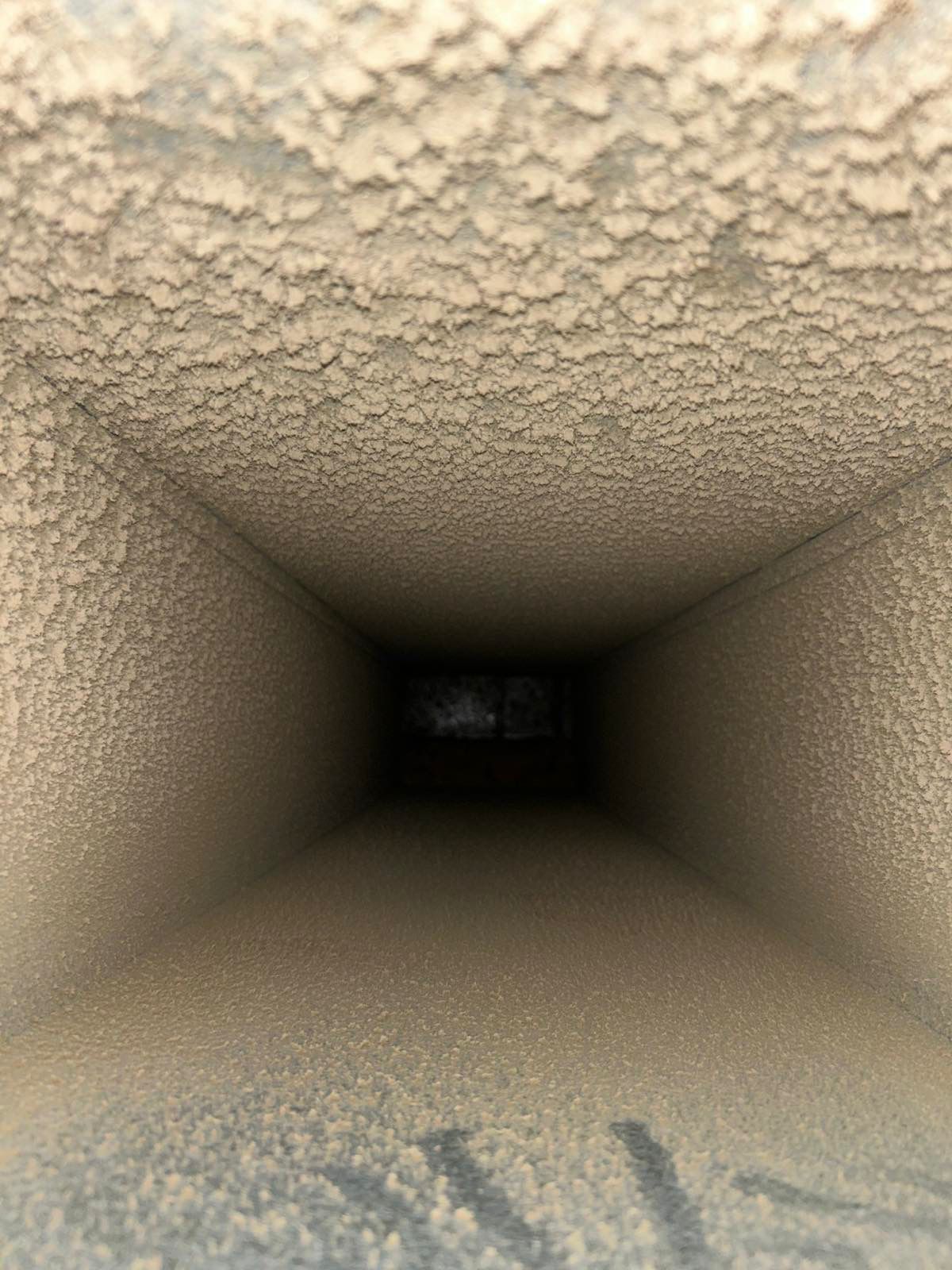
Air moves through your home all day, pulled through return grilles and pushed back to rooms through supply vents. Along the way, dust, pet dander, and fabric fibers collect on the inner walls of ductwork. That thin film narrows passages and can carry a faint musty note when the system starts. A periodic, professional air duct cleaning resets the interior so air travels the way the designer intended. The most effective method places the system under strong negative pressure, loosens debris with gentle tools matched to the material, and cleans or washes vent covers before reassembly. In high sensitivity homes, consider a cadence of every two to three years, and sooner after renovations. Dryer vent cleaning is equally important. A clear dryer line shortens cycles, reduces heat in the laundry area, and removes a hidden fire risk that no family wants.
Filtration is the daily partner to cleaning. Choose a pleated filter that captures fine particles without choking airflow. Many Rockville systems do well with ratings in the MERV eleven to thirteen range, but every system is different. If your blower is older or you run the fan frequently, ask a technician to confirm that your filter choice does not raise static pressure beyond the equipment’s comfort zone. Mark the install date on the frame, check monthly, and change every two to three months. Between changes, vacuum vent faces with a brush attachment so settled dust does not re enter rooms.
Filtration goes beyond the furnace slot. For nurseries and bedrooms, a compact room purifier with a sealed high efficiency filter can be a calm addition. Place it across the room from the bed or crib so it does not blow directly on the sleeper. Run it on the lowest setting that maintains a clean feel. Keep doors cracked where possible to help your main return move air gently through the space. Simple housekeeping supports the system too. Use a vacuum with a sealed body and a high efficiency filter, and move slowly so fine dust is captured instead of scattered.
Humidity targets
The airway prefers air that is neither parched nor damp. A steady band near forty to fifty percent relative humidity is a comfortable goal for most households. Below this range, noses and throats can feel dry and reactive. Above it, dust mites and mold become more active. A small digital hygrometer is inexpensive and gives feedback you can trust. Place one on the main level and one in a bedroom to learn how your home behaves across seasons.
In summer, Rockville’s moisture can sneak into basements and first floors. Use bathroom fans during and after showers. Run the kitchen range hood while boiling and sautéing. If the lower level feels humid, a dehumidifier with a clean filter and a gravity drain can remove excess moisture quietly. In winter, when the furnace dries the air, a well maintained humidifier can help sleep and comfort. Use clean water, replace pads and filters on schedule, and never overdo it. Windows that fog or sills that feel damp are asking for a lower set point. Balanced humidity does more than soothe breathing. It protects wood floors and furniture, it keeps static shocks away, and it helps your filter capture particles efficiently.
Bedroom priorities
We spend many hours per day in our bedrooms, so the clearest air should live there. Start with the sleep surface. Use washable covers on mattresses and pillows, launder sheets and cases on a steady rhythm, and dry them completely. Keep soft toys to a small group and rotate them through the laundry. If blackout drapes help sleep, remember that fabric collects dust. Vacuum them occasionally with a brush attachment or choose shades that can be wiped clean.
Airflow matters as much as cleanliness. Do not block returns or supply vents with furniture or long drapes. Leave a little space between the bed and the wall so air can circulate on all sides. If a room always runs warmer or cooler than the hall, ask a technician to confirm damper positions and take a simple airflow reading. Even small corrections can settle a fussy sleeper.
The quietest bedroom is scent free. Skip aerosols and strong plug in fragrances. If you enjoy essential oils, use them sparingly outside of sleep hours and always observe how the household responds. A few easy houseplants add life, but they are not a substitute for ventilation or filtration. Water lightly so soil does not stay wet.
Safety is part of bedroom air quality too. Keep the nursery and any room used by an older adult away from fumes. Never idle a car in an attached garage, and test smoke and carbon monoxide alarms regularly. If a room shares a wall with a garage or mechanical space, make sure any penetrations are sealed and that the door closes snugly.
Safe sanitizing
Sanitizing can complement a natural lifestyle when it is targeted and restrained. Start with soap and water, since removal is better than masking. When you need a disinfectant, choose options with simpler chemistry that still meet regulatory lists for effectiveness, such as hydrogen peroxide at compatible strengths or hypochlorous acid products used precisely as directed. Apply to hard, frequently touched surfaces and allow proper contact time. Ventilate during and after, especially in smaller rooms. Avoid ozone generators and foggers marketed for air purification. They can create respiratory irritants and are not appropriate for occupied living spaces.
For vents and the HVAC system, cleaning comes first. Sanitizers are only useful on clean, hard interior surfaces and only when the products are labeled for that specific use. Spraying chemicals into a dusty duct does little but add residue. A careful technician will apply a light, appropriate sanitizer on metal surfaces after debris is removed and will ventilate the home as needed. If you are in a high sensitivity household, ask to review product labels in advance. Sometimes the best sanitizing choice is to skip chemicals entirely and rely on thorough removal, filtration, and fresh air exchange.
A seasonal rhythm for Rockville families
Spring brings tree and grass pollen that ride in on shoes and pets. Set a mudroom habit by leaving outdoor footwear at the door and shaking out mats outside. Summer piles on humidity, so keep fans and dehumidifiers maintained and confirm that your range hood actually vents outdoors. Fall adds leaf mold and yard dust. Clean returns and registers with a soft brush as part of weekly chores. Winter seals the house. That is the perfect time to change filters on schedule, plan an air duct cleaning if it is due, and air out rooms briefly on milder days to refresh the home without losing much heat.
Bringing it all together
For babies and seniors, clean air feels like calm. The breath is easy, mornings begin without a scratchy throat, and the whole house seems to settle. You can create that feeling with a few steady commitments. Keep duct interiors and dryer vents clean on a realistic schedule. Choose filters that capture fine particles without burdening the blower and change them consistently. Aim for humidity that comforts the airway and discourages mold. Make bedrooms the purest rooms in the home, with crisp linens, clear airflow, and minimal scent. Sanitize thoughtfully, favoring removal and gentle products over heavy chemistry.
When you give daily attention to these essentials, indoor air quality Rockville families can depend on becomes your new normal. The result is not a gadget or a trend. It is a home that supports the most sensitive lungs in your life, one quiet breath at a time.
Indoor Air Quality For Babies And Seniors In Rockville
A gentle home for sensitive lungs
Practical steps Rockville families can use to keep air calm and clean
Clean indoor air is not a luxury for high sensitivity households. It is a daily essential that shapes sleep, comfort, and energy. Babies breathe faster than adults and have developing airways that react quickly to irritants. Older adults may have reduced lung elasticity or chronic conditions that make particles and odors more noticeable. Add Rockville’s humid summers, spring pollen bursts, and sealed winter homes, and it becomes clear why thoughtful indoor air care matters. The good news is that you can make meaningful improvements with steady habits and a smart plan tailored to indoor air quality Rockville families need most.
Vent cleaning plus filtration
Air moves through your home all day, pulled through return grilles and pushed back to rooms through supply vents. Along the way, dust, pet dander, and fabric fibers collect on the inner walls of ductwork. That thin film narrows passages and can carry a faint musty note when the system starts. A periodic, professional air duct cleaning resets the interior so air travels the way the designer intended. The most effective method places the system under strong negative pressure, loosens debris with gentle tools matched to the material, and cleans or washes vent covers before reassembly. In high sensitivity homes, consider a cadence of every two to three years, and sooner after renovations. Dryer vent cleaning is equally important. A clear dryer line shortens cycles, reduces heat in the laundry area, and removes a hidden fire risk that no family wants.
Filtration is the daily partner to cleaning. Choose a pleated filter that captures fine particles without choking airflow. Many Rockville systems do well with ratings in the MERV eleven to thirteen range, but every system is different. If your blower is older or you run the fan frequently, ask a technician to confirm that your filter choice does not raise static pressure beyond the equipment’s comfort zone. Mark the install date on the frame, check monthly, and change every two to three months. Between changes, vacuum vent faces with a brush attachment so settled dust does not re enter rooms.
Filtration goes beyond the furnace slot. For nurseries and bedrooms, a compact room purifier with a sealed high efficiency filter can be a calm addition. Place it across the room from the bed or crib so it does not blow directly on the sleeper. Run it on the lowest setting that maintains a clean feel. Keep doors cracked where possible to help your main return move air gently through the space. Simple housekeeping supports the system too. Use a vacuum with a sealed body and a high efficiency filter, and move slowly so fine dust is captured instead of scattered.
Humidity targets
The airway prefers air that is neither parched nor damp. A steady band near forty to fifty percent relative humidity is a comfortable goal for most households. Below this range, noses and throats can feel dry and reactive. Above it, dust mites and mold become more active. A small digital hygrometer is inexpensive and gives feedback you can trust. Place one on the main level and one in a bedroom to learn how your home behaves across seasons.
In summer, Rockville’s moisture can sneak into basements and first floors. Use bathroom fans during and after showers. Run the kitchen range hood while boiling and sautéing. If the lower level feels humid, a dehumidifier with a clean filter and a gravity drain can remove excess moisture quietly. In winter, when the furnace dries the air, a well maintained humidifier can help sleep and comfort. Use clean water, replace pads and filters on schedule, and never overdo it. Windows that fog or sills that feel damp are asking for a lower set point. Balanced humidity does more than soothe breathing. It protects wood floors and furniture, it keeps static shocks away, and it helps your filter capture particles efficiently.
Bedroom priorities
We spend many hours per day in our bedrooms, so the clearest air should live there. Start with the sleep surface. Use washable covers on mattresses and pillows, launder sheets and cases on a steady rhythm, and dry them completely. Keep soft toys to a small group and rotate them through the laundry. If blackout drapes help sleep, remember that fabric collects dust. Vacuum them occasionally with a brush attachment or choose shades that can be wiped clean.
Airflow matters as much as cleanliness. Do not block returns or supply vents with furniture or long drapes. Leave a little space between the bed and the wall so air can circulate on all sides. If a room always runs warmer or cooler than the hall, ask a technician to confirm damper positions and take a simple airflow reading. Even small corrections can settle a fussy sleeper.
The quietest bedroom is scent free. Skip aerosols and strong plug in fragrances. If you enjoy essential oils, use them sparingly outside of sleep hours and always observe how the household responds. A few easy houseplants add life, but they are not a substitute for ventilation or filtration. Water lightly so soil does not stay wet.
Safety is part of bedroom air quality too. Keep the nursery and any room used by an older adult away from fumes. Never idle a car in an attached garage, and test smoke and carbon monoxide alarms regularly. If a room shares a wall with a garage or mechanical space, make sure any penetrations are sealed and that the door closes snugly.
Safe sanitizing
Sanitizing can complement a natural lifestyle when it is targeted and restrained. Start with soap and water, since removal is better than masking. When you need a disinfectant, choose options with simpler chemistry that still meet regulatory lists for effectiveness, such as hydrogen peroxide at compatible strengths or hypochlorous acid products used precisely as directed. Apply to hard, frequently touched surfaces and allow proper contact time. Ventilate during and after, especially in smaller rooms. Avoid ozone generators and foggers marketed for air purification. They can create respiratory irritants and are not appropriate for occupied living spaces.
For vents and the HVAC system, cleaning comes first. Sanitizers are only useful on clean, hard interior surfaces and only when the products are labeled for that specific use. Spraying chemicals into a dusty duct does little but add residue. A careful technician will apply a light, appropriate sanitizer on metal surfaces after debris is removed and will ventilate the home as needed. If you are in a high sensitivity household, ask to review product labels in advance. Sometimes the best sanitizing choice is to skip chemicals entirely and rely on thorough removal, filtration, and fresh air exchange.
A seasonal rhythm for Rockville families
Spring brings tree and grass pollen that ride in on shoes and pets. Set a mudroom habit by leaving outdoor footwear at the door and shaking out mats outside. Summer piles on humidity, so keep fans and dehumidifiers maintained and confirm that your range hood actually vents outdoors. Fall adds leaf mold and yard dust. Clean returns and registers with a soft brush as part of weekly chores. Winter seals the house. That is the perfect time to change filters on schedule, plan an air duct cleaning if it is due, and air out rooms briefly on milder days to refresh the home without losing much heat.
Bringing it all together
For babies and seniors, clean air feels like calm. The breath is easy, mornings begin without a scratchy throat, and the whole house seems to settle. You can create that feeling with a few steady commitments. Keep duct interiors and dryer vents clean on a realistic schedule. Choose filters that capture fine particles without burdening the blower and change them consistently. Aim for humidity that comforts the airway and discourages mold. Make bedrooms the purest rooms in the home, with crisp linens, clear airflow, and minimal scent. Sanitize thoughtfully, favoring removal and gentle products over heavy chemistry.
When you give daily attention to these essentials, indoor air quality Rockville families can depend on becomes your new normal. The result is not a gadget or a trend. It is a home that supports the most sensitive lungs in your life, one quiet breath at a time.